


Half Day | 15 Stops
Looking for the best historic sites in Fayetteville, Arkansas? This self-guided journey highlights some of the city’s most meaningful landmarks, from historic homes and cemeteries to sites that tell the story of Fayetteville’s past. Whether you're visiting for the first time or rediscovering your hometown, this tour offers an easy way to explore local history all within Fayetteville.
Stop 1: Trail of Tears Memorial
This reflective site marks the route taken by Cherokee people during their forced removal in the 1830s. It stands as a reminder of the journeys that passed through Fayetteville and the lives affected.
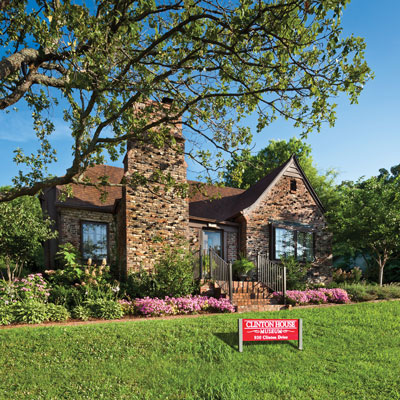
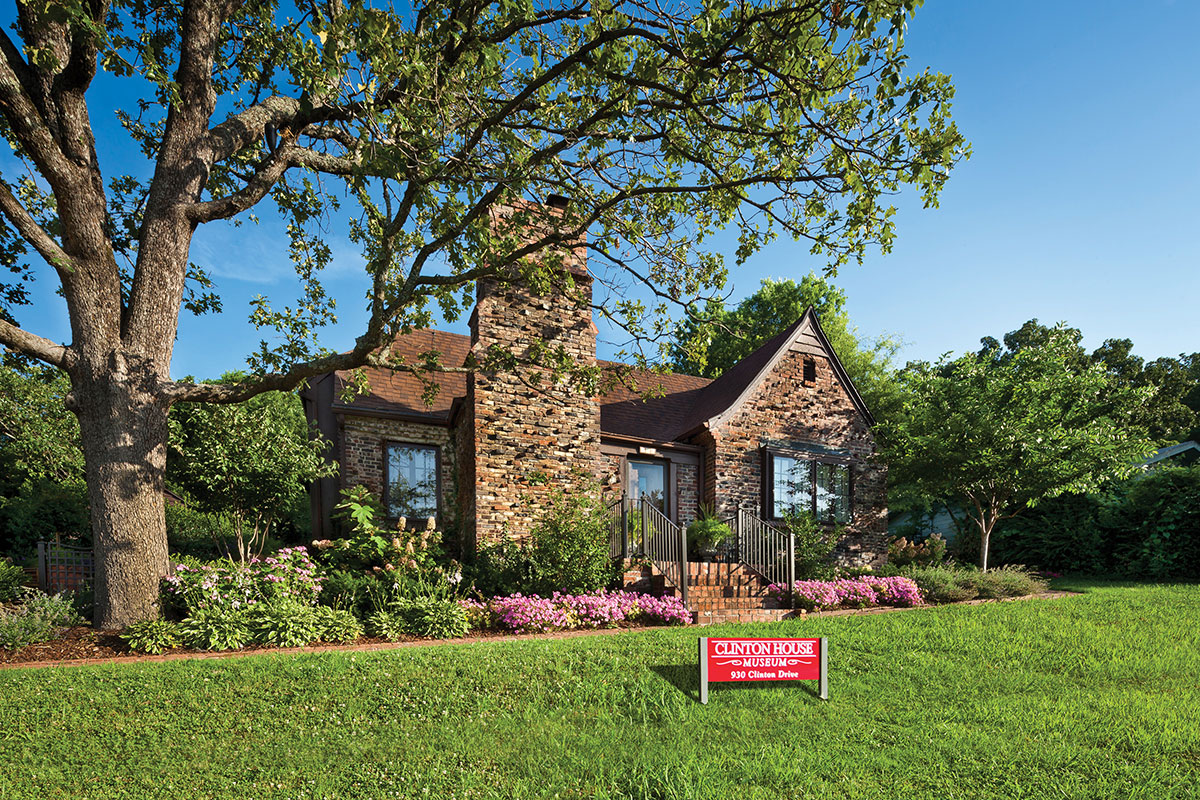
Stop 2: Clinton House
This small home near the University of Arkansas marks the beginning of a national story—it’s where Bill and Hillary Clinton lived and were married in the 1970s. Today, it serves as a museum highlighting their time in Fayetteville.
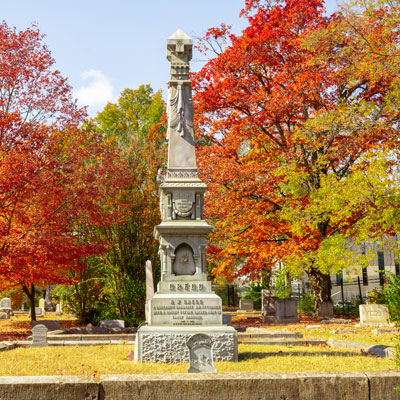
Stop 3: Evergreen Cemetery
Fayetteville’s oldest public cemetery offers a quiet walk through history. With graves dating back to the 1840s, it is the resting place of many of the city’s earliest and most influential residents.
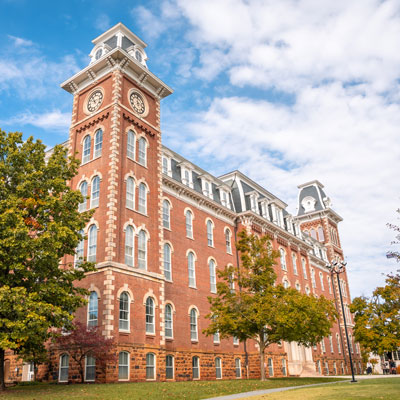
Stop 4: Old Main
Standing at the heart of the University of Arkansas, Old Main was built between 1873 and 1875 and completed in 1875. Its two front towers are slightly different heights—the north tower is taller than the south—which local lore suggests was a symbolic nod to the Union victory in the Civil War.
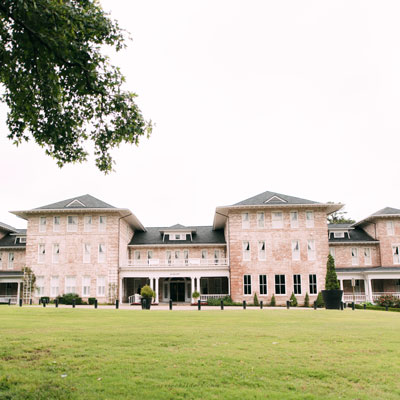
Stop 5: Carnall Hall
What started as the first women’s residence hall, Carnall Hall now welcomes visitors as a hotel and restaurant. Named after Professor Ella Carnall, it reflects the early days of campus life and the growing role of women in education.
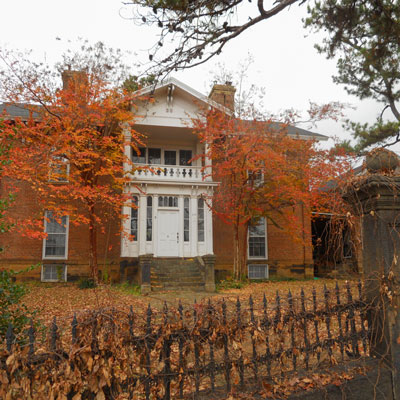
Stop 6: Gregg House
Built in 1871 by Civil War veteran and state legislator, Lafayette Gregg, this historic home represents Fayetteville’s early leadership. It is listed on the National Register of Historic Places and remains privately owned.
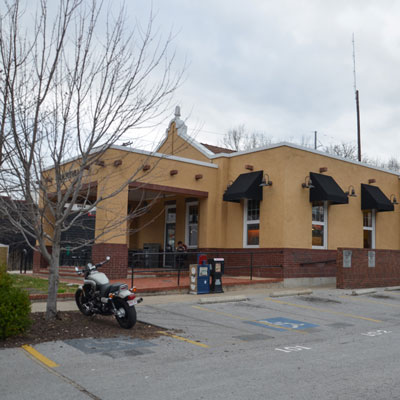
Stop 7: Frisco Depot
This former train depot recalls the era when railroads fueled Fayetteville’s growth. Built in the early 20th century, it reflects the importance of rail travel in connecting the city to the region.
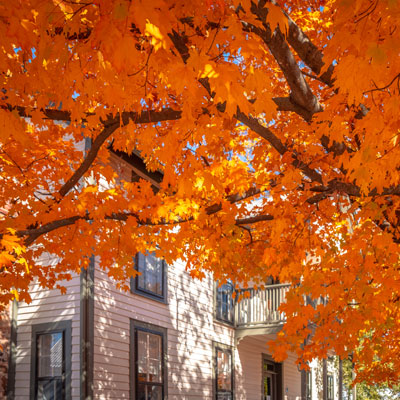
Stop 8: Ridge House & Female Seminary Site
One of Fayetteville’s oldest surviving homes stands near the site of a former girls’ seminary. The school was once a leading educational institution before most of its buildings were lost during the Civil War.
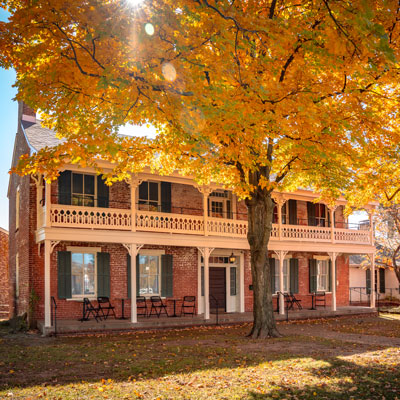
Stop 9: Walker–Stone House
Built in the mid-1800s, this home is tied to early Arkansas legal and political figures. Its preserved design offers a glimpse into Fayetteville’s past and has earned a place on the National Register.
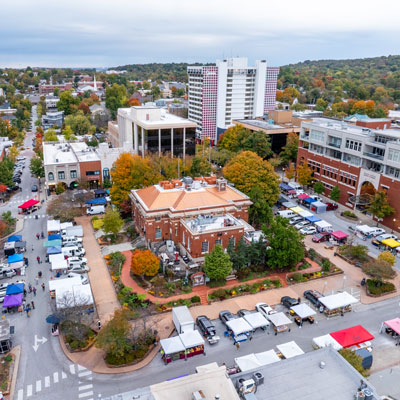
Stop 10: Old Post Office & Square Buildings
At the center of downtown, these historic buildings reflect Fayetteville’s early 20th-century growth. The 1911 post office and surrounding structures once anchored the city’s busiest commercial district.
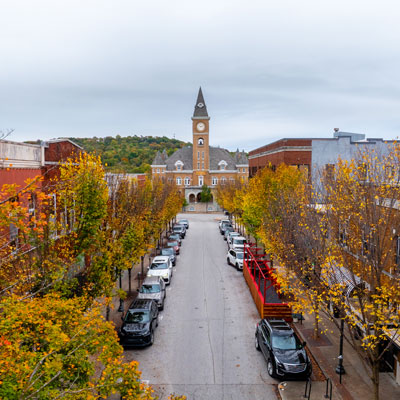
Stop 11: Washington County Courthouse & Jail
This courthouse has served as the center of county government for over a century. Built in 1905 in the Richardsonian Romanesque style, it continues to house important public services and archives. The jail was built in 1897 of the same style, is privately owned today and serves as professional offices.
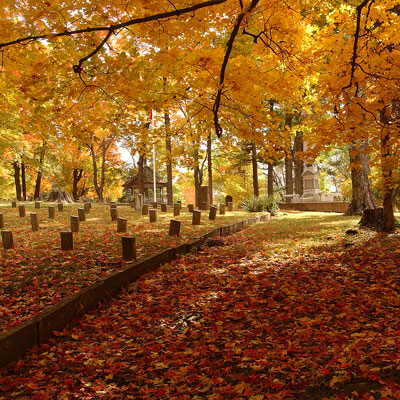
Stop 12: Confederate Cemetery & National Cemetery
These neighboring cemeteries honor soldiers from the Civil War through modern conflicts. Together, they reflect the evolving history of military service and remembrance in the United States.
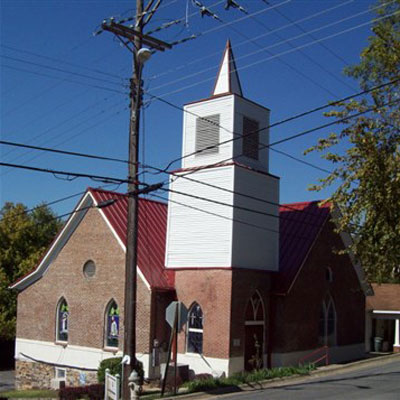
Stop 13: St. James United Methodist Church
The oldest church building in Fayetteville, St. James was established for the African American community in the 1800s. It remains an active congregation and a lasting symbol of faith and resilience.
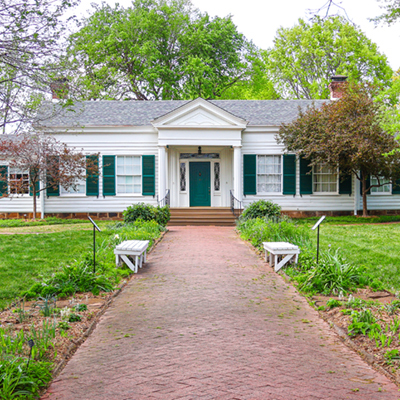
Stop 14: Headquarters House Museum & Archibald Yell Law Office
During the Civil War, this home served as headquarters for both Union and Confederate forces. Now a museum, it tells the story of the Battle of Fayetteville and the city’s wartime experience. The 1830s law office, behind Headquarters House, belonged to Archibald Yell, Arkansas’s second governor, who later died in the Mexican-American War.
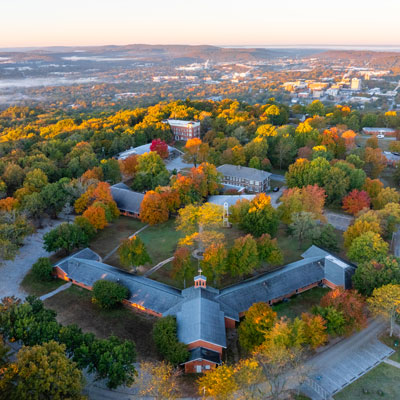
Stop 15: Mount Sequoyah
Overlooking the city, Mount Sequoyah offers the best scenic view and a rich cultural history. Developed as a retreat in the early 1900s, it is named for Sequoyah, creator of the Cherokee syllabary.
Thank You for Exploring Fayetteville
We hope this insightful tour has given you a deeper appreciation for Fayetteville’s history, culture, and community. Whether you’re visiting for the first time or returning, these places tell the story of a city that continues to grow while honoring its past.

